
Written by: Laurence Schuberth
Published : 04-04-2026 11:04
Spring has a way of making everything feel possible. The days are longer, the weather is warming up, and for many Australians, thoughts turn naturally to new beginnings - including the home or development project that has been sitting on the back burner. But here is something worth knowing before another month slips by: October is not just a pleasant time to start thinking about building. It is genuinely one of the most important windows of the year to act, and missing it can cost you in ways that go well beyond dollars.
Every year, as temperatures climb toward that familiar Australian summer heat, the construction industry shifts into a higher gear. Builders, trades, and suppliers who had availability in September and October find their schedules filling fast. Families who delayed their conversations until November or December often find themselves facing longer wait times, tighter trade availability, and the kind of pressure that leads to rushed decisions. The builders worth working with, the ones who take care with their craft and their clients, tend to book out first. That is simply the reality of a competitive market.
So what does early engagement actually look like in practice, and why does it matter so much before a single sod is turned? The answer lies in the pre-build process, which is more involved than many first-time clients expect. Before construction can begin, a number of important steps need to be completed, and each one takes time.
Site assessments are typically the starting point. A thorough site assessment looks at soil conditions, slope, drainage, orientation, and any site-specific constraints that will influence the design and structural requirements of your build. In many parts of Australia, reactive soils, bushfire attack levels, or flood overlays can all affect how a home is engineered and what materials are used. Understanding your site early gives your builder and design team the information they need to make smart decisions from the beginning, rather than discovering surprises mid-project.
Council approvals are the next major consideration. Development applications, complying development certificates, and planning permits each have their own requirements and timeframes, which vary depending on your local government area and the nature of your project. In some councils, straightforward applications move through in a matter of weeks. In others, particularly for more complex sites or dual occupancies, the process can extend across several months. Starting early means you are not sitting idle waiting for approvals when you could otherwise be on site.
Design sign-off is the third piece of the puzzle. Finalising architectural drawings, engineering documentation, energy efficiency reports, and selections takes time, and it should. Rushing this stage is one of the most common causes of budget blowouts and on-site changes that delay projects and frustrate everyone involved. When you engage a builder early, you have the breathing room to work through these details properly, ask questions, and make decisions you feel genuinely confident about.
For anyone with their sights set on a completed build in 2027, the maths are fairly straightforward. Lead times for approvals, design, and pre-construction preparation mean that projects ideally need to be in motion well before the end of this year. Waiting until the new year to begin those conversations is not just cutting it fine. For some project types, it risks the timeline altogether.
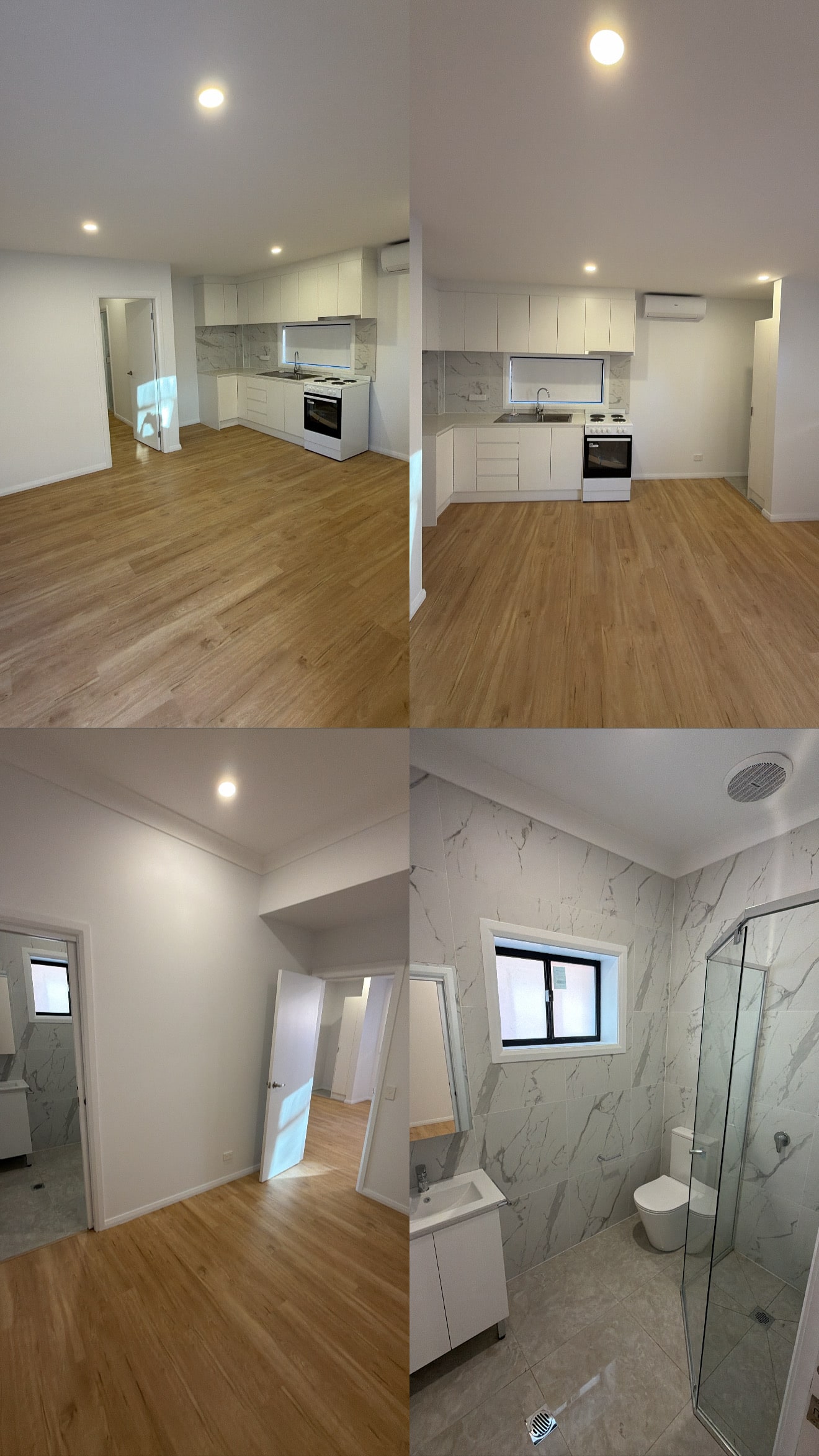
So what does early engagement actually look like in practice, and why does it matter so much before a single sod is turned? The answer lies in the pre-build process, which is more involved than many first-time clients expect. Before construction can begin, a number of important steps need to be completed, and each one takes time.
Site assessments are typically the starting point. A thorough site assessment looks at soil conditions, slope, drainage, orientation, and any site-specific constraints that will influence the design and structural requirements of your build. In many parts of Australia, reactive soils, bushfire attack levels, or flood overlays can all affect how a home is engineered and what materials are used. Understanding your site early gives your builder and design team the information they need to make smart decisions from the beginning, rather than discovering surprises mid-project.
Council approvals are the next major consideration. Development applications, complying development certificates, and planning permits each have their own requirements and timeframes, which vary depending on your local government area and the nature of your project. In some councils, straightforward applications move through in a matter of weeks. In others, particularly for more complex sites or dual occupancies, the process can extend across several months. Starting early means you are not sitting idle waiting for approvals when you could otherwise be on site.
Design sign-off is the third piece of the puzzle. Finalising architectural drawings, engineering documentation, energy efficiency reports, and selections takes time, and it should. Rushing this stage is one of the most common causes of budget blowouts and on-site changes that delay projects and frustrate everyone involved. When you engage a builder early, you have the breathing room to work through these details properly, ask questions, and make decisions you feel genuinely confident about.
For anyone with their sights set on a completed build in 2027, the maths are fairly straightforward. Lead times for approvals, design, and pre-construction preparation mean that projects ideally need to be in motion well before the end of this year. Waiting until the new year to begin those conversations is not just cutting it fine. For some project types, it risks the timeline altogether.
